Is Pheromone Perfume Harmful to Humans? Authoritative Ingredient Analysis and Safety Guide

Quick Links
If your social media has been flooded with posts about “man-slaying fragrances” and “pheromone potions” lately, don’t worry, you’re not alone.
From TikTok to various e-commerce platforms, pheromone perfume seems to have become an overnight “cheat code” for enhancing charm. Advertisements make extravagant claims: one spray, and you’ll be irresistibly attractive to the opposite sex; two sprays, and you’ll dominate the entire social scene.
miracle or But before you rush to place your order, that lingering question will surely remain: Is it really safe to spray this on yourself? Is it a scientific miracle or a hidden chemical hazard in a bottle?
boat.” Today, we won’t talk about those vague marketing myths, but only about the hardcore stuff—ingredients, risks, and if you absolutely must use it, how to use it without “crashing the boat.”
I. First, let’s throw some cold water on this: What exactly is in the bottle?
To determine whether pheromone perfume is harmful, we need to examine its ingredient list.
In the animal kingdom, pheromones are indeed a form of hard currency. Ants use them to find their way, and moths use them to attract mates; it’s like a biological Wi-Fi signal—precise and effective.
But with humans? Things get complicated.
The scientific community is still debating whether “human pheromones” exist. This means that the vast majority of best-selling pheromone perfumes on the market do not contain “real” pheromones extracted from humans (thankfully, that would be terrifying).
They are actually a “cocktail” composed of the following parts:
- Laboratory-synthesized compounds, such as androstenone or androstenol. Manufacturers claim these synthetic steroids can mimic the effects of pheromones, although science hasn’t definitively proven their effectiveness.
- this traditional perfume base, which is what you are familiar with: fragrance, alcohol, water, and fixative.
- Chemical additives: To make the fragrance last longer or the color more appealing, moisturizers, pigments, and preservatives may be added.
agent Therefore, when you worry about the safety of pheromone perfume, you are not actually worried about some mysterious biological agent but rather about a bottle of chemically synthesized perfume with a complex composition.
II. The core question: Is it really harmful to the body?
“risk-free.” To be honest, for most healthy adults, occasional use of pheromone perfume from reputable brands is likely safe. However, “safe” does not mean “risk-free.”
Especially when you buy substandard, unregulated products in pursuit of so-called “powerful effects,” you must be wary of the following three health pitfalls:
1. Skin’s “Protest”: Allergies and Irritation
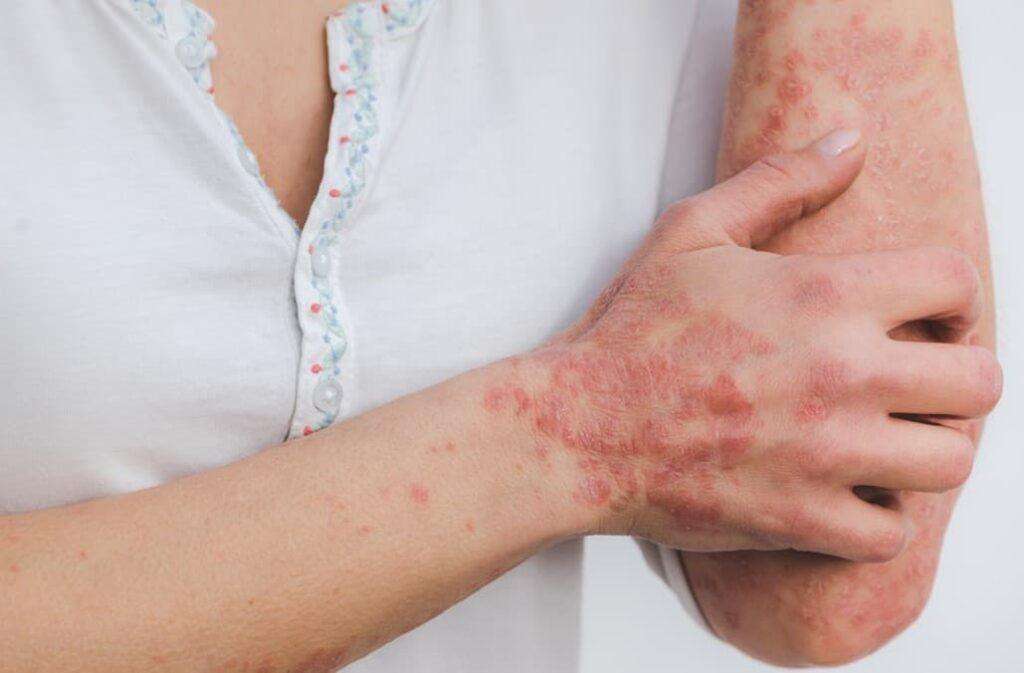
skin or This is the most direct risk. To mask the smell of synthetic compounds or to enhance the longevity of the scent, some pheromone perfumes use high concentrations of fragrance and alcohol. If you have sensitive skin or suffer from eczema or dermatitis, spraying it on may not make you radiant; instead, it could cause redness, itching, or even contact dermatitis.
2. The Invisible Health Assassin: Endocrine Disruptors
This is where you really need to pay attention. To make the fragrance linger on the skin longer, some low-cost perfumes may add phthalates. These are suspected of being endocrine disruptors. Long-term, high-dose exposure can disrupt your hormone balance. Although reputable brands are now trying their best to avoid using them, in this relatively unregulated niche market, the ingredient lists of many off-brand pheromone perfumes are not very transparent.
3. Psychological “side effects”
This might not sound like an illness, but it’s definitely a trap. Over-reliance on the “placebo effect” of pheromone perfume can cause you to neglect improving your real social skills. Confidence should come from within, not just from the liquid in the bottle.
III. Authoritative Guide: If you wish to use it, please operate it safely as follows.
If you are still curious about pheromone perfume and want to try it yourself (after all, curiosity is human nature), then please be sure to accept this safe usage instruction manual.
Step 1: Become an “Ingredient Enthusiast”
Don’t just look at the “deadly temptation” in the advertising slogan; turn the bottle over and look at the back.
- Avoid these products: Try to find products labeled “paraben-free” and “phthalate-free.”
- Look at the brand: Brands that dare to publish detailed ingredient lists are usually more reliable than those that only use the mysterious word “fragrance.”
Step 2: Patch testing is essential.
Never spray it directly onto your carotid artery right away. Find an inconspicuous area of skin (such as behind your ear or the inside of your wrist), apply a tiny amount, and wait 24 hours. If there is no redness or rash the next day, then you can use it on a larger area. This is an essential procedure for anyone new to pheromone perfume.
Step 3: Mastering the Art of “Restraint”
- Location: Spray on pulse points (inner wrist, inner elbow) or clothing. Avoid the face, eyes, and genital areas.
- Dosage: Less is more. You want a subtle, alluring appeal, not a suffocating “chemical weapon.”
⚠️ Warning light for special groups
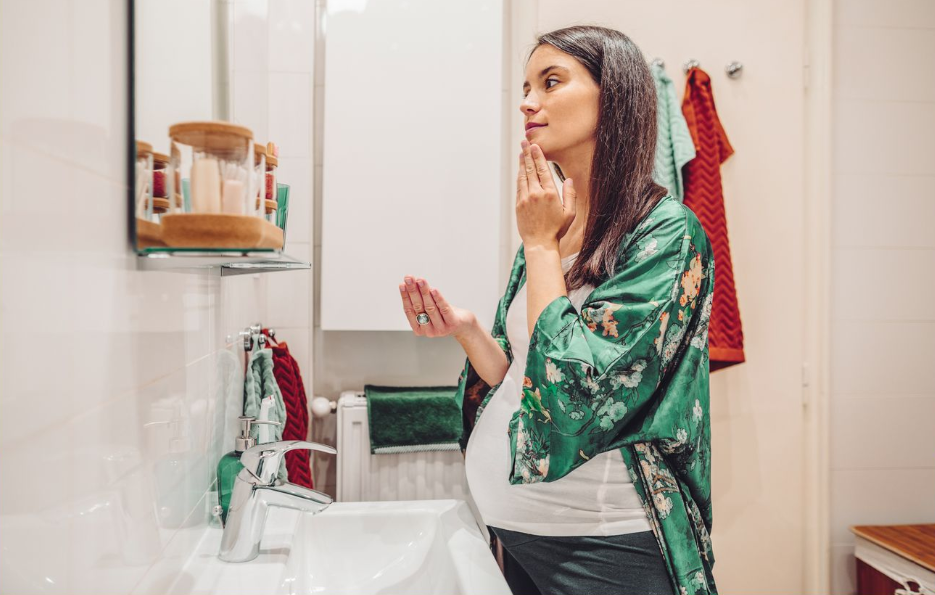
- Pregnant women and breastfeeding mothers: For the safety of your baby, it is recommended to temporarily refrain from using these products.
- People with respiratory sensitivities: The spray may trigger asthma or sneezing, so try to avoid it.
IV. Conclusion: Reason triumphs over impulse
Ultimately, pheromone perfume is not some terrible monster, but it is definitely not a magic potion without side effects either.
It’s more like a cosmetic with psychological suggestion properties. Its safety depends entirely on whether the brand you choose is legitimate and whether your usage habits are scientific.
On the path to charm, safety should always come first. Don’t let inferior chemical fragrances ruin your skin and health. True attraction often stems from your confident state; perfume is merely an embellishment.
Want to know which brands have purer and safer ingredients?
Click here to view hypoallergenic pheromone fragrances approved by dermatologists