What changes will occur from long-term use of pheromone perfumes?

Have you ever noticed that some people always seem to easily attract attention?
Besides their appearance and speech, the “approachable” aura they exude is often related to **pheromone perfume**.
Many first-time users are surprised—not only do those around them react differently, but their own mindset also changes.
But when the usage time extends from days or weeks to months or even a year, the effect goes far beyond “fragrance attraction,” penetrating into the physical, psychological, and social levels.
I initially used pheromone perfume simply to see if others would be attracted to it. Later, I realized its greatest value lies in self-empowerment .
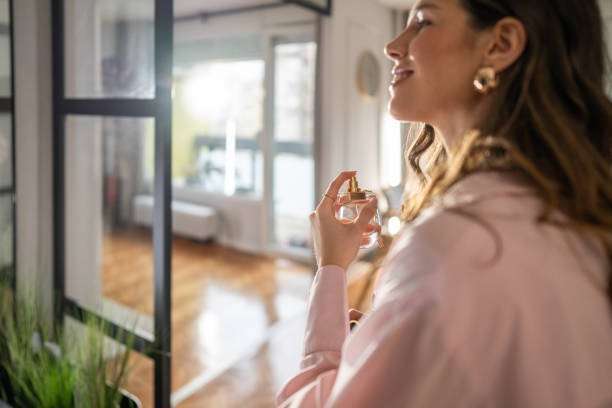
Perfume is armor, and pheromone perfume is the confidence-activating switch on that armor. When it becomes a habit, it’s no longer just a scent, but part of my aura.
The working mechanism of pheromone perfumes: “attraction molecules” from a scientific perspective.
Pheromones are a class of natural chemical signals found in animals and humans, used to transmit emotional information such as sexual attraction, trust, and intimacy.
Pheromones are produced by artificially synthesizing or extracting natural molecules (such as androstenone and androstenedione). When sprayed, they combine with body temperature to release subtle odor signals.
These signals are usually not consciously perceived, but can be perceived by the “olfactory system” at a subconscious level, thereby influencing emotions and interactions.
,In the short term, it may just be a psychological suggestion; but with long-term use , it will gradually affect hormone perception, social comfort, and emotional confidence , making it easier for users to show natural attractiveness.

Physiological changes caused by long-term use
1. Olfactory adaptation and aroma blending
.Over time, the olfactory system adapts to specific pheromone molecules.
The fragrance becomes subjectively softer and more skin-like, eventually blending naturally with body odor to create a personalized signature scent . After using a sandalwood-based pheromone perfume for six months, I could barely smell it myself, but others said it lasted longer. This indicates that the fragrance and skin reached a chemical balance, creating a unique scent just for me.
2. The interaction between skin and hormones
Pheromones are released through sebum and sweat. Long-term use may help balance skin oil and even affect the epidermal microbiome, making the fragrance last longer and smell more natural.
3. Potential Regulation of Mood and Hormones
Studies show that pheromones can stimulate the limbic system of the brain through the olfactory system, indirectly affecting the secretion of sex hormones and dopamine and oxytocin.
This means that long-term use may bring emotional benefits such as relaxation, pleasure, and increased self-confidence.
Long-term psychological and behavioral effects
1. Significantly improved self-confidence
The most profound effect of pheromone perfumes is “a change in self-perception.”
When you repeatedly experience positive social feedback, it creates a “psychological reinforcement cycle”—believing you are more attractive, thus behaving more confidently and communicating more naturally.
2. Enhanced emotion regulation ability
Aromas can create conditioned reflexes to emotions.
When the brain associates a certain scent with “pleasure and safety,” it can help you quickly regain calm, even in stressful environments.
3. Reshaping Social Patterns
Many long-term users report finding that they are more easily listened to and trusted in workplace meetings, social situations, or close relationships. This
is partly due to others’ subconscious positive response to scent signals and partly due to the balance and composure emanating from within themselves.
Potential side effects and precautions
Although most users experience positive effects, the following points should be noted for long-term use:
Odor fatigue: Desensitization of the sense of smell may lead to misjudgment of dosage.
Sensitive skin: The synthetic carrier may irritate sensitive skin. It is recommended to perform a skin test first.
:Psychological dependence : Over-reliance on the confidence boost from fragrance may lead to anxiety when not using it.
suggestion:
Change the fragrance or brand every few months;
Use gaps to cultivate inner confidence;
Don’t let perfume become your only source of self-worth.
Real-world user experiences and scientific trends
On perfume forums and social media, there are many long-term users sharing their experiences:
“Six months later, my interactions with the opposite sex felt more natural.”
“The fragrance makes me feel more relaxed in the workplace and makes it easier to gain trust.”
Academic research is also continuously following up. For example, a study in the journal Chemical Senses pointed out that
Long-termlong-term exposure to specific human pheromone molecules can enhance social trust and positive emotional responses.
In the future, scientists are exploring personalized pheromone formulations—combining genotype, skin microbiome, and emotional patterns to achieve true “scent personality customization.”
Conclusion: From external attraction to internal balance
The changes from long-term use of pheromone perfumes go beyond how others perceive you; they also affect how you perceive yourself.
From the initial “attraction experiment” to the later development of emotional anchors and increased self-confidence, it becomes an integral part of your daily aura.
Frequently Asked Questions (FAQ)
Q1: Will long-term use of pheromone perfumes cause physical dependence?
It will not cause physical dependence, but it may form a psychological habit. It is recommended to stop using it periodically to maintain balance.
Q2: Will long-term use change body odor?
Some users report that the fragrance blends more naturally with body odor, but individual differences are significant.
Q3: Does perfume lose its effectiveness over time?
No, but olfactory fatigue may affect perception. You can adjust this by changing the scent.
Q4: How long does it take to see changes?
Most people begin to feel a change in social response and mindset after using it continuously for 2–4 weeks.